
Visa Requirements for African Countries Guide 2026
Visa requirements for African countries vary by nationality, destination, and purpose of travel. Some African nations offer visa free entry or visa on arrival, while others require advance applications through embassies or eVisa portals.
TOURISM
Godha
2/27/20266 min read
Visa Requirements for African Countries
Always check your destination’s official immigration website before travel, as entry rules, fees, and documentation can change.
Travel rules across Africa are not uniform. You cannot assume that what applies in Kenya will apply in Morocco or South Africa.
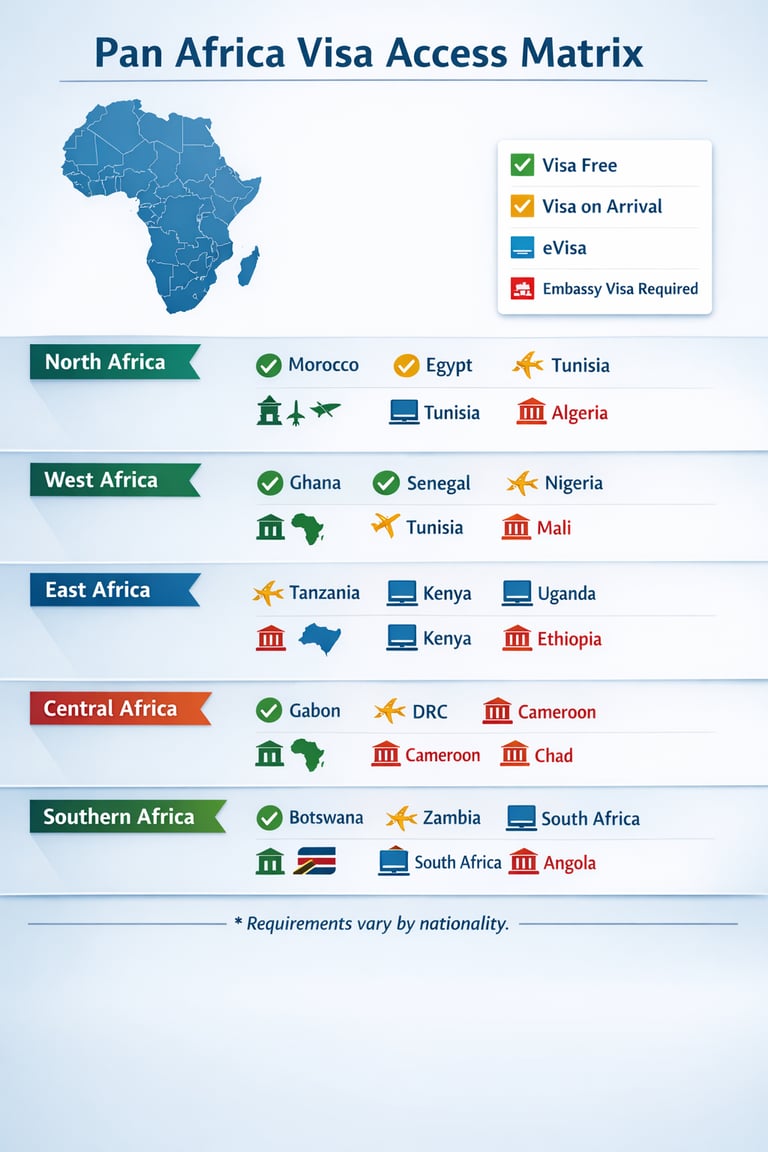
In this guide, I’ll walk you through visa free travel, eVisa systems, visa on arrival policies, transit rules, business visas, work permits, and long stay options. Whether you’re a tourist, investor, digital nomad, or corporate traveler, this article will help you understand how African visa systems actually work in practice.
What Are the Main Types of Visa Requirements for African Countries
African countries generally offer four main entry types: visa free entry, visa on arrival, electronic visa, and embassy visa. The right category depends on your passport, travel purpose, and intended length of stay.
1. Visa Free Entry
Some African countries allow certain nationalities to enter without a visa for a fixed number of days, often between 14 and 90 days.
Examples:
Seychelles allows visa free entry to most nationalities.
Morocco grants visa free access to many Western passport holders.
Ghana permits visa free travel for citizens of ECOWAS member states.
Visa free does not mean document free.
You still need:
A valid passport, usually with 6 months validity
Return or onward ticket
Proof of accommodation
Sufficient funds
2. Visa on Arrival
A visa on arrival means you obtain your visa at the airport or land border.
Countries such as Tanzania, Ethiopia, and Rwanda offer visa on arrival to many travelers.
However, I often advise clients to check if an eVisa is available instead. Airport processing can involve long lines, cash only payment, or sudden policy changes.
3. eVisa Systems
Many African governments now use electronic visa platforms.
Countries with structured eVisa portals include:
Kenya
Egypt
Zambia
Zimbabwe
Ivory Coast
Nigeria
An eVisa usually requires:
Online application form
Passport scan
Passport photo
Travel itinerary
Visa fee payment by card
Processing times range from 2 to 10 business days.
4. Embassy or Consulate Visa
For work visas, residency permits, journalist visas, or long term business visas, you typically apply through an embassy.
This often involves:
Invitation letters
Police clearance certificates
Medical reports
Employment contracts
Proof of incorporation for companies
Embassy visas take longer but provide stronger legal standing for extended stays.
Which African Countries Offer Visa Free Travel
Visa free access in Africa depends heavily on passport strength and regional agreements such as ECOWAS, SADC, and the African Union mobility initiatives.
Regional Free Movement Agreements
Africa is moving toward easier intra continental travel.
Some key agreements include:
ECOWAS Free Movement Protocol
West African citizens can travel visa free within member states such as:
Ghana
Nigeria
Senegal
Ivory Coast
Benin
This applies only to ECOWAS nationals.
East African Community Integration
Citizens of Kenya, Uganda, Rwanda, Tanzania, Burundi, and South Sudan enjoy simplified entry rules within the bloc.
SADC Arrangements
Southern African Development Community members have eased travel rules, though not fully visa free in all cases.
Countries Known for Broad Visa Free Access
Seychelles
Gambia
Benin
Mauritius
These countries promote tourism and business travel through liberal entry policies.
From my experience advising business travelers, Mauritius stands out for its efficient immigration process and predictable enforcement.
How Do eVisa Systems Work in African Countries
An eVisa allows travelers to apply online before arrival. Approval is issued electronically and linked to your passport.
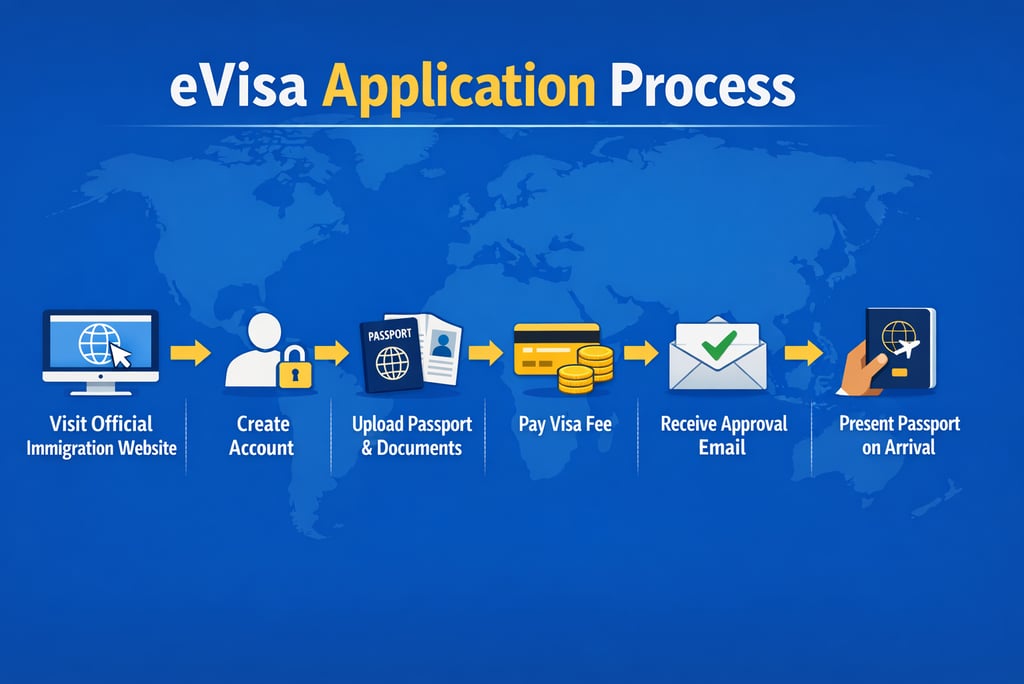
Step by Step Process
Visit the official immigration website of the destination country.
Create an account.
Fill out the application form.
Upload required documents.
Pay the visa fee.
Receive approval by email.
At the airport, immigration officers verify your passport against their system.
Common Mistakes to Avoid
Using unofficial third party websites
Uploading unclear passport scans
Ignoring passport validity rules
Applying too close to travel date
I’ve seen travelers denied boarding because their eVisa approval email was incomplete or mismatched with their passport number.
Always cross check your application details before submission.
What Documents Are Required for African Tourist Visas
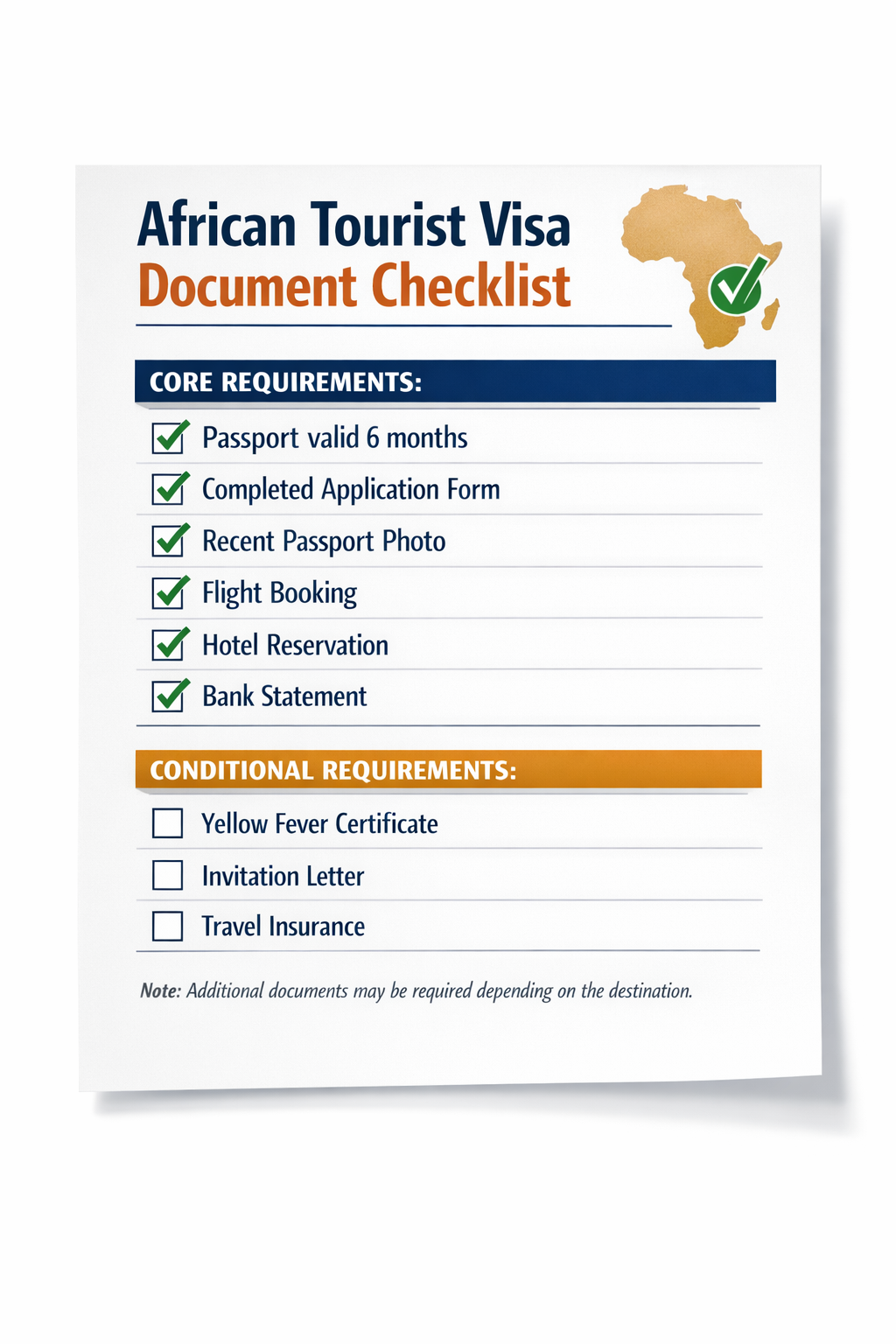
Most African tourist visas require a passport with at least 6 months validity, a completed application form, passport photos, travel itinerary, and proof of funds.
Core Documents
Valid passport
Visa application form
Passport photo
Flight booking
Hotel reservation
Bank statement
Travel insurance in some countries
Additional Requirements by Country
Some countries may request:
Yellow fever vaccination certificate
Invitation letter if staying with a host
Proof of employment
Yellow fever vaccination is particularly important when traveling between certain African countries. Many immigration officers strictly enforce this rule.
What Are the Visa Requirements for Business Travel to Africa
Business visas typically require invitation letters from a local company, proof of business registration, and confirmation of commercial activity.
Business Visa Requirements
You may need:
Letter from your employer
Invitation from host company
Company registration documents
Tax clearance certificates
Proof of accommodation
Business visas usually allow meetings, conferences, and negotiations. They do not automatically allow employment.
Work Permits and Employment Visas
If you intend to work and earn income locally, you need a work permit.
Countries such as South Africa, Nigeria, and Kenya have structured work permit categories based on skills and industry demand.
Work permits often require:
Academic qualifications
Professional licenses
Labor market testing
Government approvals
These processes can take weeks or months.
How Long Can You Stay in African Countries on a Tourist Visa
Most African tourist visas allow stays between 30 and 90 days, depending on nationality and country policy.
Typical Stay Durations
30 days is common in East Africa
60 days in parts of North Africa
90 days in countries promoting tourism
Overstaying can result in:
Daily fines
Exit penalties
Future visa refusals
Deportation
I always recommend setting a calendar reminder for your visa expiration date. Even one day overstay can create complications for future travel.
Are There Pan African Visa Initiatives
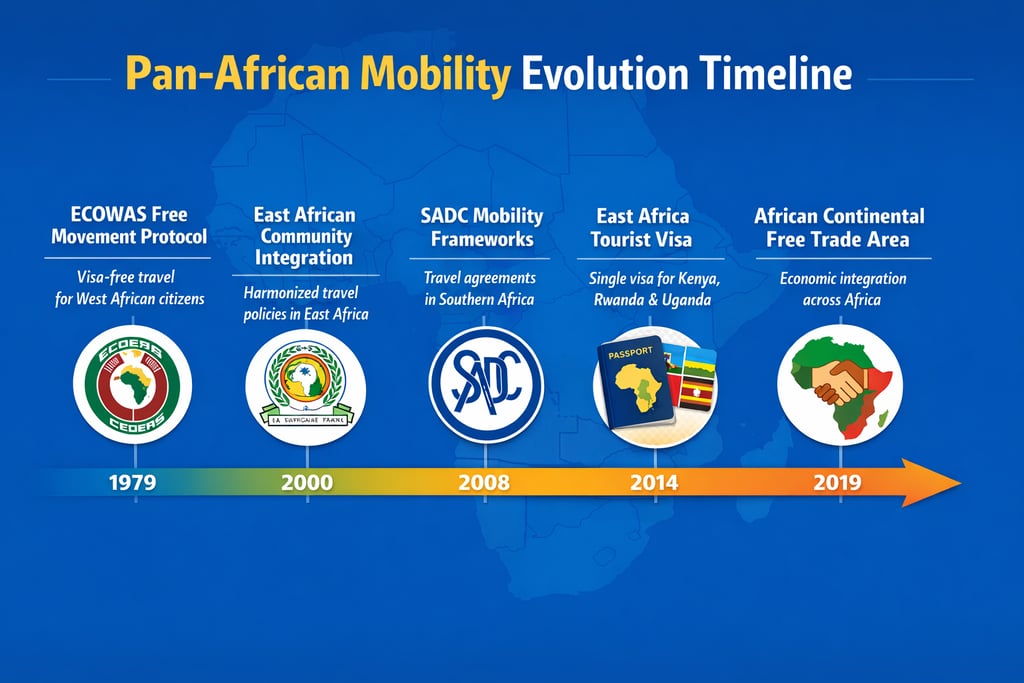
Yes. The African Union supports mobility programs, and some countries participate in joint visa schemes such as the East Africa Tourist Visa.
The African Union plays a central role in shaping long term mobility across the continent. Through policy coordination and continental frameworks, it supports freer movement of people, regional integration, and trade alignment. While immigration laws remain national decisions, AU initiatives influence how countries gradually simplify visa systems.
East Africa Tourist Visa
This joint visa allows travel between:
Kenya
Rwanda
Uganda
It simplifies regional tourism.
African Continental Free Trade Area Impact
The AfCFTA agreement aims to boost trade and may gradually influence easier business mobility across member states.
While not yet a full Schengen style zone, Africa is moving toward greater integration.
How to Check Official Visa Requirements Safely
Always verify visa requirements through official government immigration websites or embassies.
Trusted Sources
Official immigration portals
Embassy websites
National civil aviation advisories
Avoid relying solely on travel blogs or social media.
For example, Kenya’s official immigration portal can be accessed at:
https://immigration.go.ke
South Africa’s Department of Home Affairs:
https://dha.gov.za
Egypt’s eVisa platform:
https://visa2egypt.gov.eg
These are official government domains.
What Are Common Reasons for Visa Refusal in African Countries
Visa refusals often occur due to incomplete documentation, unclear travel purpose, insufficient funds, or prior immigration violations.
Risk Factors
Inconsistent information
Criminal record
Suspicious travel patterns
Lack of return ticket
Previous overstays
Transparency helps. If you have prior visa issues, disclose them honestly and provide explanations.
Visa Requirements for African Countries by Region
Visa policies differ across North, West, East, Central, and Southern Africa due to political, economic, and security factors.
North Africa
Countries like Morocco, Tunisia, and Egypt have structured tourism visa systems and strong ties with Europe.
West Africa
ECOWAS promotes free movement, but non ECOWAS nationals usually require visas.
East Africa
Kenya, Rwanda, and Uganda offer progressive eVisa systems and regional integration.
Central Africa
Visa processes can be more documentation heavy and embassy focused.
Southern Africa
South Africa maintains one of the most detailed immigration systems on the continent.
Frequently Asked Questions
Do all African countries require visas for foreign travelers
No. Some offer visa free entry depending on nationality. Others provide visa on arrival or eVisa options.
Is yellow fever vaccination mandatory for Africa
It depends on your travel route. Many countries require proof if arriving from a yellow fever risk zone.
Can I convert a tourist visa into a work visa inside Africa
Usually no. Most countries require you to apply for work permits from outside the country.
How early should I apply for an African visa
Apply at least 2 to 4 weeks before travel. Some work visas require several months.
Are African visa policies changing
Yes. Many countries are expanding eVisa systems and simplifying regional travel.
Final Thoughts
Visa requirements for African countries are becoming more digital, more regionally aligned, and more structured.
Still, each country maintains sovereign control over its immigration laws. That means you must treat every trip individually.
If you approach your application carefully, verify official sources, and prepare proper documentation, African travel can be smooth and predictable.
The key is preparation, not assumption.
usefulservices24@gmail.com
© 2026 Tales of Africa. All rights reserved.