
Is It Safe to Travel to Africa in 2026
Yes, it is safe to travel to many parts of Africa in 2026, but safety depends entirely on the specific country, region, and how you plan your trip. Africa is not one risk zone. Several destinations are considered low risk for tourists, while others require caution or should be avoided.
TOURISM
Godha
2/22/20268 min read
Is It Safe to Travel to Africa in 2026
Africa includes 54 countries, multiple political systems, and very different safety environments.
If you treat it as one single destination, you will misunderstand the risk. If you assess it country by country, region by region, it becomes much clearer.
This guide breaks down crime, health risks, political stability, road safety, climate threats, identity related concerns, and how to evaluate any African destination using a structured method.
Why Do So Many Travelers Ask Is It Safe to Travel to Africa
The question comes from headlines about conflict, disease outbreaks, and poverty, which create a generalized perception of danger. In reality, safety varies by country and often by specific region within that country.
News coverage tends to focus on conflict areas such as parts of Sudan, Somalia, or the Sahel region. These areas are geographically distant from major tourism destinations like Cape Town, Zanzibar, Marrakech, the Serengeti, or Mauritius.
When I first traveled to East Africa, I noticed how different reality felt compared to the headlines. Airports were modern. Safari lodges had tight security. Tour operators were organized and regulated. The experience did not match the vague image many people carry.
The key mistake is treating Africa as a single risk category. It is not.
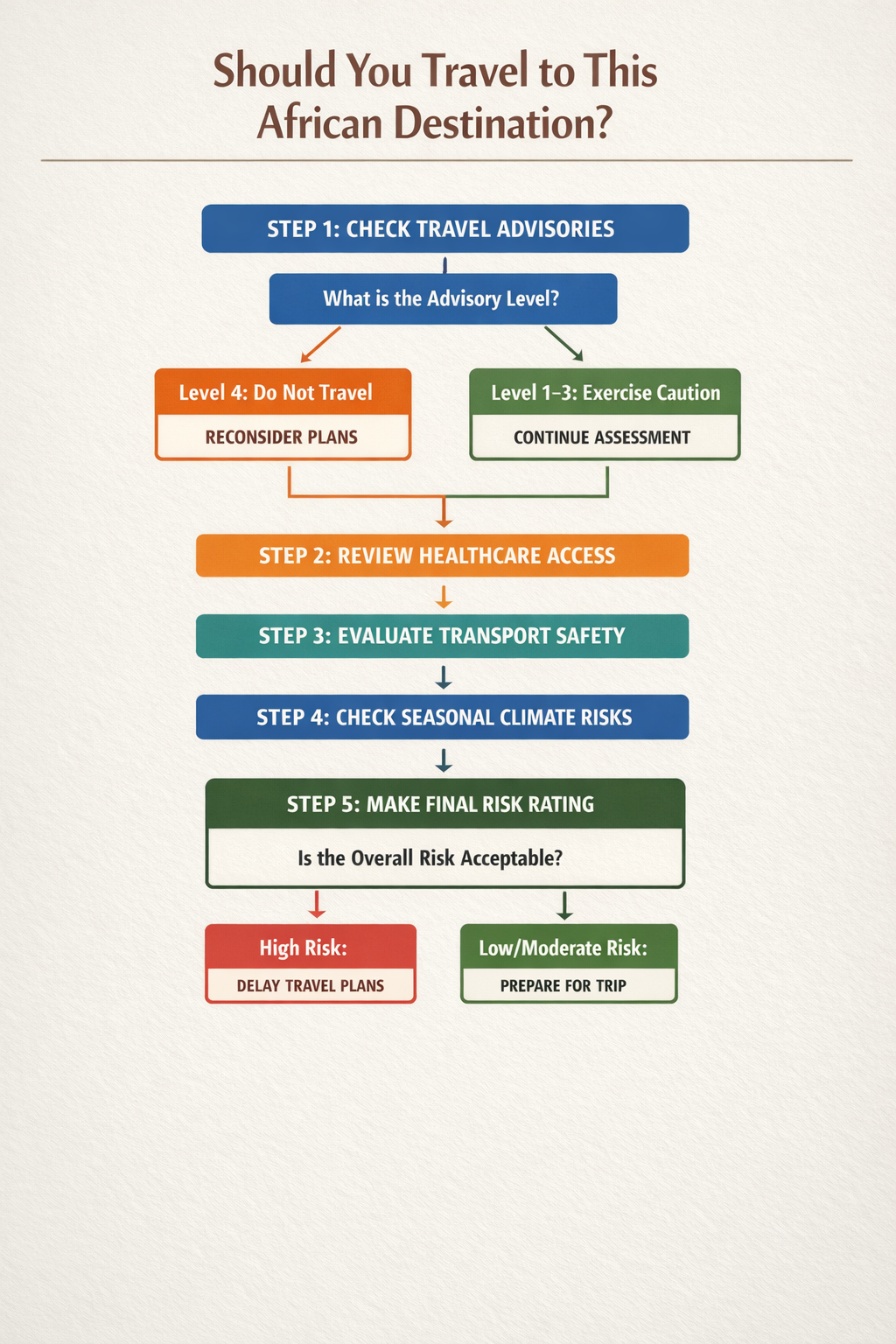
How Can You Evaluate Safety in Any African Country
You can assess safety by reviewing official travel advisories, recent incident patterns, healthcare access, crime types, road safety, and political stability. A structured approach prevents emotional or exaggerated judgments.
You can apply to any country:
1. Check Official Travel Advisories
Use government sources such as:
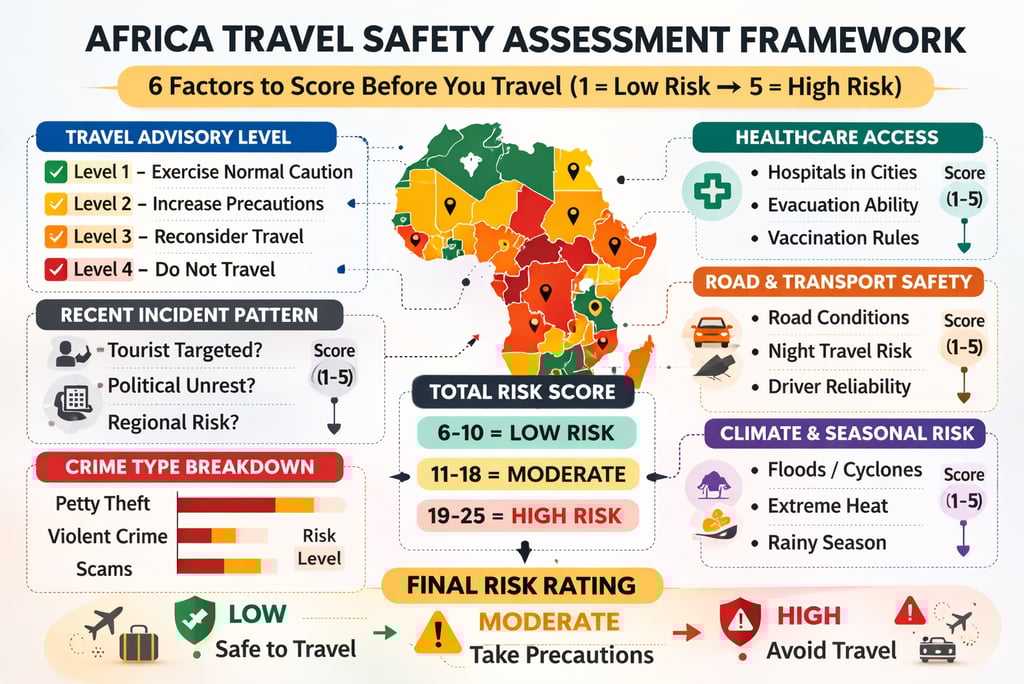
These advisories explain risk levels and often distinguish between regions inside the same country.
Advisory levels typically range from normal precautions to “Do Not Travel.” A country may be generally safe while one border region carries a higher warning. That distinction matters.
2. Look at Recent Incident Patterns
Ask:
Are incidents targeted at tourists or local political actors
Are issues concentrated in specific provinces
Are there recent protests tied to elections
Local patterns matter more than old reputation.
3. Assess Crime Type
In many African tourist cities, the primary risk is petty theft rather than violent crime. Pickpocketing, phone snatching, and bag theft are more common than organized attacks on tourists.
4. Evaluate Healthcare Access
Check:
Availability of private hospitals in major cities
Distance from remote safari areas to emergency evacuation points
Vaccination requirements
Reliable health information is available through CDC country pages and WHO travel guidance.
5. Consider Road and Transport Safety
Road accidents are often a bigger risk than crime. Night driving, long distance buses, and informal transport increase exposure.
6. Factor in Climate and Disaster Timing
Flooding, cyclones, or extreme heat can affect safety more than crime. Seasonal timing changes risk.
When you follow this structured method, the question “Is it safe to travel to Africa?” becomes specific and answerable.
Which African Countries Are Generally Considered Safe for Tourists
Countries often described as safer for tourists include Botswana, Namibia, Rwanda, Mauritius, Seychelles, and Morocco. These destinations have relatively stable governments and established tourism sectors.
Botswana and Namibia
Both countries are politically stable and rely heavily on tourism. Safari areas are controlled environments. Access to national parks is regulated. Lodges prioritize safety.
Rwanda
Rwanda has invested significantly in public security and tourism infrastructure. Kigali is widely regarded as orderly and well managed.
Mauritius and Seychelles
These island nations have strong tourism economies, relatively low crime rates, and good healthcare infrastructure.
Morocco
Major tourist cities such as Marrakech and Fes receive large numbers of international visitors. Petty scams exist, but violent crime targeting tourists is uncommon in main tourism areas.
Safety still depends on neighborhood and timing. No country is risk free.
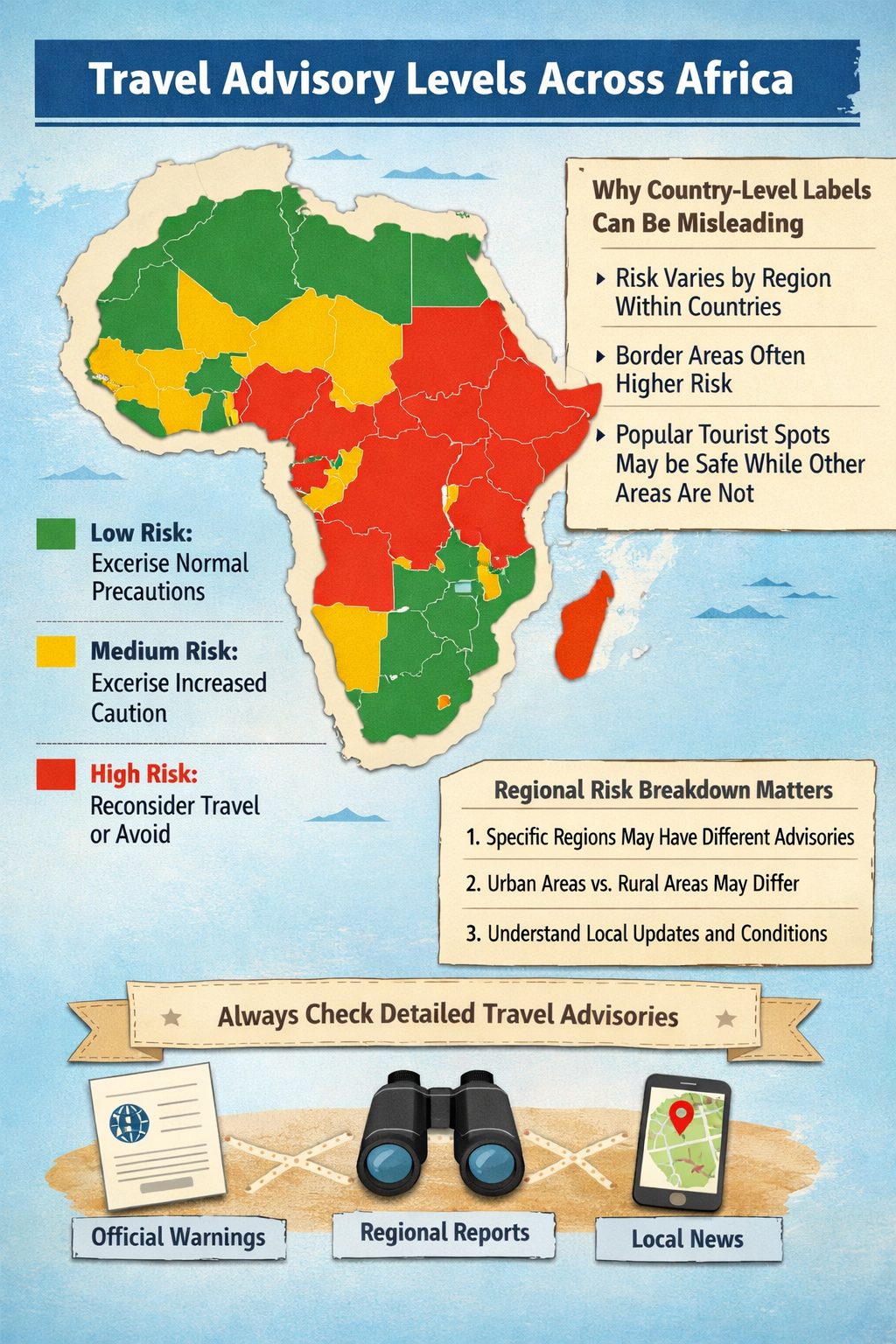
Which Regions Require Greater Caution
Certain regions experience armed conflict or terrorism risks, including parts of Sudan, South Sudan, Somalia, the Central African Republic, and some Sahel countries.
These areas are not typical tourist destinations.
For example, safari circuits in Tanzania are far from conflict zones in Central Africa. Beach resorts in Mauritius are geographically removed from instability in mainland regions.
Travel advisories often specify border regions separately. Always read the regional breakdown instead of judging by country name alone.
How Safe Is Africa for Solo Travelers and Solo Female Travelers
Many African destinations are safe for solo travelers when standard precautions are followed. Solo female travelers should pay attention to local cultural norms and choose well reviewed accommodations.
From my own experience, structured airport transfers and reputable tour companies significantly reduce stress and risk.
Countries often recommended for solo travel include:
Rwanda
Namibia
Botswana
Mauritius
In major cities like Johannesburg or Nairobi, avoid isolated areas at night and use ride hailing services rather than informal taxis.
Solo travel in Africa requires planning, not fear.
What Are the Most Common Safety Risks in Africa
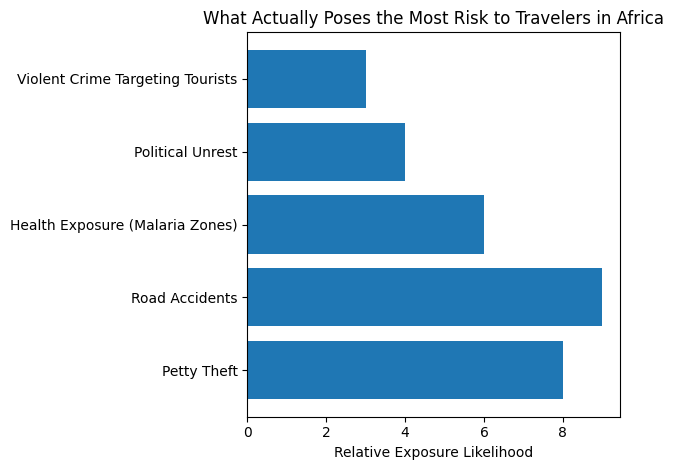
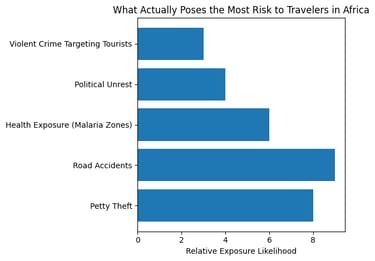
The most common risks for tourists are petty theft, road accidents, health related issues such as malaria exposure, and scams in urban areas.
Petty Crime
Pickpocketing and phone theft occur in busy markets and transport hubs. Keep valuables secured and avoid displaying expensive electronics.
Road Safety
Intercity night driving can be risky in some countries due to road conditions or driver fatigue. Private transfers and daytime travel reduce exposure.
Health Risks
Malaria exists in parts of sub Saharan Africa. Preventive medication and mosquito protection are often recommended. Yellow fever vaccination may be required for entry into certain countries or if arriving from affected areas.
Consult official sources such as:
Scams
Common scams include:
Fake tour operator deposits
Overpriced informal currency exchange
ATM card distraction theft
SIM registration fraud
Booking through verified operators and using secure payment methods reduces risk.
Are African Safaris Dangerous
Licensed African safaris are generally safe. Professional guides are trained in wildlife behavior and risk management, and national parks enforce strict rules.
Safety guidelines include:
Stay inside vehicles during game drives
Follow guide instructions without exception
Do not walk alone in unfenced bush areas
In my experience, safari camps often feel highly controlled. Entry points are monitored. Staff are trained. Incidents involving tourists are rare compared to visitor numbers.
Wildlife safety depends on respecting rules, not taking unnecessary risks.
African Safari Guide 2026 What Has Changed and What You Should Know
If you are planning a safari in 2026, safety standards are stronger than many travelers expect. Most reputable operators now use GPS tracked vehicles, satellite communication in remote parks, and structured emergency evacuation partnerships. Park authorities in countries such as Botswana, Tanzania, Kenya, and Namibia continue to tighten licensing rules for guides and limit vehicle density in high traffic wildlife areas. This reduces both environmental pressure and visitor risk.
In 2026, travelers are also seeing clearer health protocols in remote camps. Many lodges maintain trained first aid staff and define evacuation procedures to the nearest airstrip or private hospital. When choosing a safari provider, ask about guide certification, vehicle maintenance schedules, and their emergency response plan. A professional operator will answer directly and in detail.
Is Political Instability a Serious Threat to Tourists
Political unrest occurs in certain countries, but it usually affects specific urban areas during election periods. Established tourism hubs are often protected due to economic importance.
Protests may disrupt city centers temporarily. Tour operators typically adjust routes when necessary.
Monitor local news before travel and avoid protest gatherings. Political events are usually predictable around election cycles.
What Legal and Identity Risks Should Travelers Consider
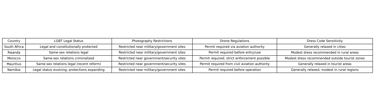
Legal and social norms vary widely across African countries. Issues affecting travelers may include restrictions on LGBT rights, photography rules, drone usage, and medication regulations.
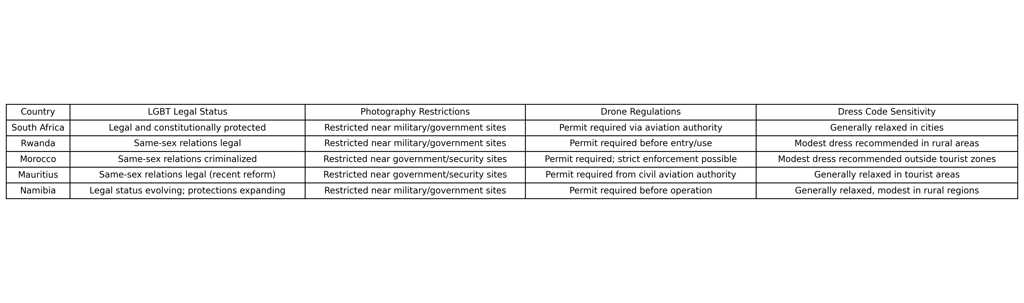
In some countries, same sex relationships are criminalized. In others, such as South Africa, legal protections exist.
Photography of government buildings, military sites, or border posts can lead to fines or detention in certain areas.
Before traveling, review:
Local laws regarding photography and drones
Prescription medication import rules
Cultural dress expectations
Understanding legal differences reduces unnecessary risk.
How Does Climate Affect Travel Safety in Africa
Weather and climate can significantly influence travel safety. Flooding, extreme heat, drought, and cyclones affect specific regions seasonally.
Examples include:
Cyclone risk in parts of the Indian Ocean region
Flooding during rainy seasons in East Africa
Extreme heat in desert regions
Climate impacts road conditions, flight schedules, and medical access. Planning around seasonal patterns improves safety.
How Does Africa Compare to Other Travel Regions
Some African destinations have safety levels comparable to parts of Southeast Asia or Latin America. Risk varies by city and neighborhood rather than by continent.
Mauritius, for example, has lower violent crime rates than many popular Caribbean destinations. Botswana is often ranked among Africa’s more stable democracies.
Comparisons should be data driven and region specific, not assumption based.
How Can You Travel Safely in Africa
Safe travel in Africa depends on research, structured planning, and situational awareness.
Before Departure
Check official travel advisories
Visit a travel health clinic
Obtain comprehensive travel insurance with evacuation coverage
Research neighborhood safety for accommodations
During Travel
Use licensed tour operators
Avoid night travel in unfamiliar areas
Keep copies of important documents
Use secure transport options
Emergency Readiness
Save local emergency numbers
Know the location of your nearest embassy
Keep offline maps downloaded
Carry a basic medical kit
Small preparation steps dramatically reduce risk.
Safety by Travel Style
Risk varies depending on whether you are backpacking, joining guided tours, traveling for business, or staying in luxury resorts.
Backpackers
Higher exposure to public transport and budget accommodation increases petty crime risk. Planning routes carefully helps.
Guided Tour Travelers
Lower exposure due to structured itineraries and licensed drivers.
Digital Nomads
Urban safety and internet security become priorities. Choose secure neighborhoods and reliable coworking spaces.
Luxury Safari Travelers
Risk is low in controlled lodge environments, but evacuation insurance is important due to remote locations.
Frequently Asked Questions
Is it safe to travel to Africa right now
Many African countries are safe for tourists in 2026, while some regions carry high risk warnings. Always check updated government advisories before departure.
Is Africa safe for solo female travelers
Yes, in many countries with established tourism sectors. Research cultural norms and stay in reputable accommodations.
Is crime against tourists common
Petty theft is more common than violent crime in major tourist areas. Risk varies by city and neighborhood.
Is malaria a serious concern
Malaria exists in parts of sub Saharan Africa. Preventive medication and mosquito protection are effective when recommended by health professionals.
Are African safaris safe for families
Yes, when booked with licensed operators who follow park safety regulations.
Final Assessment
Africa cannot be labeled safe or unsafe as a whole.
It includes stable island nations, structured safari destinations, large modern cities, and a small number of active conflict zones. Safety depends on location, preparation, and awareness.
If you apply a structured risk assessment, follow official guidance, and plan carefully, many parts of Africa offer safe and rewarding travel experiences.
The real question is not whether Africa is safe. It is whether you are willing to evaluate it accurately and travel responsibly.
About The Author
Mubashir Shakoor Godha is a blogger, digital marketer, and SEO specialist based in Pakistan. He started his journey in 2019 on Blogger.com and has since built and managed multiple websites that rank on Google and AI driven search platforms.
He is also the Founder of MSG Digitals, Top Rated Digital Marketing Agency in Pakistan, where he helps businesses grow through SEO, content strategy, and performance marketing.

usefulservices24@gmail.com
© 2026 Tales of Africa. All rights reserved.